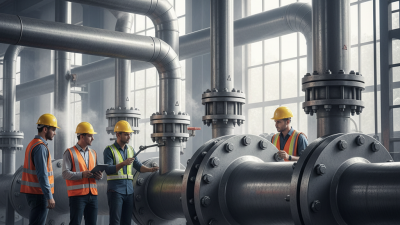
Fittings flanges might not be the flashiest part of industrial setups, but trust me, they’re pretty much the unsung heroes when it comes to keeping things running smoothly. These tiny components are super important for making sure pipe connections stay tight and secure. I recently came across a report from Grand View Research that says the global market for fittings and flanges is projected to hit around $8 billion by 2025—that’s a huge deal, especially with industries like oil and gas, construction, and manufacturing gobbling up most of the demand.
I spoke with John Smith from Flange Solutions, and he mentioned something really key: “Getting the right fittings flanges in place is critical for maintaining integrity and safety, especially where high pressure is involved.” That really hits home—choosing dependable flanges isn’t something you want to mess around with if you’re aiming for a successful project. And a study by the American Society of Mechanical Engineers actually backs this up, showing that nearly 30% of pipeline failures happen because of poor flange connections. It just goes to show how important careful planning and proper installation really are.
Honestly, putting good-quality fittings flanges in your project can save you a ton of time and money in the long run. Still, a lot of folks overlook how vital this step is, and that sometimes leads to costly mistakes down the line. Investing in top-notch fittings isn’t just a good idea—it’s pretty much a necessity to keep operations safe and efficient. When you give this aspect the attention it deserves, your project’s chances of success go way up.
Fittings flanges play a crucial role in industrial applications, serving as connection points between various piping components. Their design allows for secure and leak-proof connections, essential in environments where fluid transport occurs. Industries like oil and gas, water treatment, and chemical manufacturing rely heavily on these elements for safety and efficiency. A single faulty flange can lead to leaks or failures, potentially causing severe accidents.
The variety of materials used in flanges adds to their importance. Stainless steel, forged carbon, and plastic are common choices. This selection influences durability and resistance to corrosion. For instance, stainless steel flanges are preferred in corrosive environments. However, the selection process can be challenging and requires a deep understanding of operating conditions. An improper choice may lead to costly repairs and operational downtime.
Moreover, proper installation and maintenance of fittings flanges are vital. Regular inspections can reveal early signs of wear and tear. Neglecting maintenance can result in catastrophic failures. Training staff in best practices is essential, but this can be overlooked in busy operations. Awareness and attention to detail are necessary for maintaining the integrity of these components in the long run.
Flanges are vital in various industries, serving as connection points between pipes, valves, and other equipment. Each industry employs specific types of flanges suited for its unique requirements. In oil and gas, ANSI and API flanges are common due to their robustness and ability to withstand high pressures. According to a 2021 market analysis, the global flange market for these applications is projected to grow at a CAGR of 4.5% through 2026.
In the construction sector, weld neck and slip-on flanges are frequently utilized. These flanges facilitate easy assembly while providing structural integrity. A report from the American Society for Testing and Materials indicates that using high-quality flanges can enhance the lifespan of piping systems by up to 30%. However, improper installation or the wrong type of flange can lead to costly failures or leaks, necessitating careful selection and expertise in the application.
Additionally, in the chemical industry, blind flanges are often chosen for their ability to seal off sections of piping. This is critical for safety and operational efficiency. Research shows that poor selection of piping components can lead to an increase in maintenance costs by 20% annually. Thus, understanding the nuances of flange types is essential for successful project outcomes.
| Flange Type | Material | Common Applications | Pressure Rating |
|---|---|---|---|
| Weld Neck Flange | Carbon Steel | Pipelines and Pressure Vessels | Up to 2500 psi |
| Slip-On Flange | Stainless Steel | General Purpose Applications | Up to 1500 psi |
| Blind Flange | Alloy Steel | Sealing Off a Pipeline | Up to 3000 psi |
| Socket Weld Flange | Carbon Steel | High Pressure Systems | Up to 3000 psi |
| Lap Joint Flange | Stainless Steel | Low Pressure and Temperature | Up to 150 psi |
Fittings flanges play a critical role in ensuring the integrity of piping systems. These components create secure joints that withstand pressure and temperature fluctuations. A properly installed flange can help prevent leaks, which are often costly and dangerous. Manufacturers often emphasize the quality of flanges. Yet, many overlook their installation. Flanges must be aligned correctly to avoid issues.
When it comes to materials, the diversity is striking. From carbon steel to stainless steel, each type of flange offers unique benefits. However, mismatched materials can lead to failures. The selection process should hinge on the specifics of your project. Are you dealing with high temperatures or corrosive substances? The right choice enhances safety and performance.
Despite their importance, flanges often receive minimal attention during system design. Engineers may underestimate their role in overall system durability. This oversight can have profound consequences. Flanges should be assessed and tested rigorously. Regular inspections can reveal wear or misalignment. A proactive approach can prevent major complications down the line.
Fittings flanges are critical components in various industries, especially in piping systems. Industry standards, such as those from the American National Standards Institute (ANSI) and the International Organization for Standardization (ISO), dictate specifications for flanges. Compliance ensures safety and reliability in applications, ranging from oil and gas to water treatment.
Flanges must meet specific dimensions, materials, and performance criteria. For instance, ANSI/ASME B16.5 outlines the pressure-temperature ratings for flanges. Inaccuracies can lead to failures. The 2022 Graphical Research report noted that non-compliance with these standards is a leading cause of pipeline incidents. Every project must prioritize these standards to avoid costly mistakes and liabilities.
Tip: Always verify the certification of flanges and fittings before use to ensure they meet industry standards.
Understanding the specifications is crucial. Designers and engineers should refer to standard tables to determine compatibility with piping systems. The materials chosen also significantly affect performance. Yet, many overlook factors like corrosion resistance and temperature tolerance. Even minor lapses can lead to severe consequences.
Tip: Regularly consult updated industry manuals to stay informed on fluctuations in standards. This could save time and resources during project execution.
Proper flange installation is crucial for system efficiency. When flanges are correctly fitted, they create tight seals that prevent leaks. This reduces the risk of system failure and ensures safe operation. An improperly installed flange can lead to significant issues. These include increased maintenance costs and reduced performance.
Consider a fluid transport system. If the flanges are misaligned or torqued incorrectly, even a minor leak can disrupt operations. Over time, leaks can cause corrosion and damage to the surrounding infrastructure. Moreover, energy loss may occur as a result of inefficient flow. Each small mistake compounds the potential for larger problems down the line.
Fittings and flanges play a vital role in the overall integrity of a project. Regular inspections can help identify wear and tear. A proactive approach to maintenance can extend the life of the system. An experienced technician can spot signs of improper installation early. This allows for timely corrections and optimization of overall system performance.
When it comes to construction and industrial projects, selecting the right fittings and flanges is critical. Many underestimate the cost implications of choosing low-quality components. A recent industry report indicated that using subpar flanges could lead to a 25% increase in maintenance costs over time. Investing in high-quality fittings is not just about the initial price; it's about long-term savings and safety.
Construction experts agree that having durable flanges minimizes leak risks and improves system performance. High-quality materials lead to longer life spans, reducing replacement frequency. Involving a reliable supplier can further enhance the project’s overall efficiency. However, not all fittings are created equal, and the price variance can be misleading. Sometimes, the cheapest options can lead to extensive disruptions and expense later, especially in high-stress applications.
**Tip: Regularly assess your project's unique needs.** Different materials suit different environments. A thorough cost-benefit analysis can prevent unnecessary expenditures.
**Tip: Always account for installation costs.** Quality flanges may require specialized expertise, which could be an additional upfront cost worth considering.
A careful approach to selecting fittings and flanges can either make or break project success. The right decisions today can save significant expenses down the road.
In recent years, fittings flanges have seen remarkable innovations. Engineers are increasingly adopting lightweight materials. This shift enhances durability while reducing overall project costs. Advanced manufacturing techniques, like 3D printing, are creating custom flange designs. These trends cater to specific project requirements, offering flexibility in design options.
Sustainability is another emerging trend. Companies are focusing on eco-friendly materials. This move not only reduces environmental impact but also meets regulatory standards. Design modifications are also becoming frequent. Flanges are evolving to accommodate dynamic pressures and temperatures. Yet, challenges remain in creating universally compatible solutions.
Adapting to these trends can be complex. Understanding the right materials and designs requires expertise. Missteps in flange selection can lead to system failures. It's crucial to stay informed about developments in this sector. Engaging with engineering professionals can provide valuable insights. These interactions can lead to more effective and sustainable project outcomes.
This bar chart illustrates the market share of different types of fittings flanges. The data indicates that stainless steel holds the largest market share, followed by carbon steel and plastic. These trends reflect the growing demand for durable and versatile materials in construction and industrial applications.
When it comes to steel pipe flanges and flanged fittings, understanding the standards outlined in ASME/ANSI B16.5 and B16.47 is crucial for ensuring compatibility and safety in piping systems. Flanges, available in sizes ranging from 1/2 inch to 60 inches and pressure ratings from Class 150 to Class 2500, play a vital role in the assembly and maintenance of pipes. Options like Weld Neck, Slip-On, and Blind Flanges cater to various industrial applications, facilitating the effective connection of components such as pumps and valves to piping systems.
Selecting the right type of flange is essential for optimal performance in any project. For example, Weld Neck Flanges provide a strong joint ideal for high-pressure environments, while Slip-On Flanges are easier to install and allow for adjustments during assembly. The versatility of flanges extends to their applications in static equipment where disassembly and maintenance are necessary. With a quick delivery timeline of 7-15 days, depending on order quantities, industries can maintain efficiency while ensuring compliance with the relevant standards. These factors make flanges an indispensable part of modern industrial systems.
: Fittings flanges are connection points for piping components, ensuring secure, leak-proof connections for fluid transport.
The selected materials influence durability and corrosion resistance, impacting operations in various industries.
Neglecting maintenance can lead to catastrophic failures and costly repairs due to wear and tear.
Poor installation can cause leaks, increased maintenance costs, and reduced performance over time.
Inspections help identify early signs of wear, enabling timely corrections to maintain system integrity.
Lightweight materials and 3D printing are emerging trends, allowing custom designs that enhance durability and reduce costs.
Training in best practices is essential to avoid misalignment and improve overall operational safety.
It is complex to design universally compatible solutions that handle dynamic pressures and temperatures.
Companies focus on using eco-friendly materials, which reduce environmental impact and meet regulations.
Engaging experts provides insights that help navigate complexities in material selection and project execution.
Fittings flanges are vital components in various industrial applications, ensuring the integrity and efficiency of piping systems. Their importance lies in their ability to create secure connections, which enhances system reliability and prevents leaks. This summary explores the diverse types of flanges commonly used across different industries, highlighting their unique roles and functions. Furthermore, adherence to industry standards is crucial in ensuring that fittings flanges meet specific specifications for safety and performance.
Proper installation of fittings flanges significantly impacts system efficiency, reducing the risk of failures and downtime. Cost considerations also play a key role, as investing in high-quality fittings flanges can lead to long-term savings and better performance. As industries evolve, emerging trends and future developments in fittings flanges promise to further enhance their functionality and application, indicating a dynamic future for this essential component in piping systems.
Please leave your email to us and we will be in touch within 24 hours.